Pages

Tuesday, June 9, 2009

Hit by a boomerang

It happens... cast or launch the kids into the world, and sometimes they land like a boomerang at 10pm during a dinner party. Without much warning - blam!

For the next couple of months, we tiptoe around the now adult child - familiar (if not regressed) in some ways, and wildly evolved in others. Is this something to wish for or dread? We shall see in a few weeks. It is sort of like a lab experiment. Remember the mold project?


Thursday, May 28, 2009

Smith River


The clear aqua blue water of the cold, fast middle fork of the Smith River is visible from the top of the gorge. During our recent road trip, we meandered through this wilderness area on the way to I-5, known as "the Five" in southern parts of the state. One way to recognize southerners is their use of the word "the" (pronounced "thuh") before an interstate freeway number. BayAreans look at each other quizzically when a Southlander lets loose "thuh 101".

The water in the undammed Smith River is so clear that you can almost see the fish from here.

Tuesday, May 26, 2009

Irises


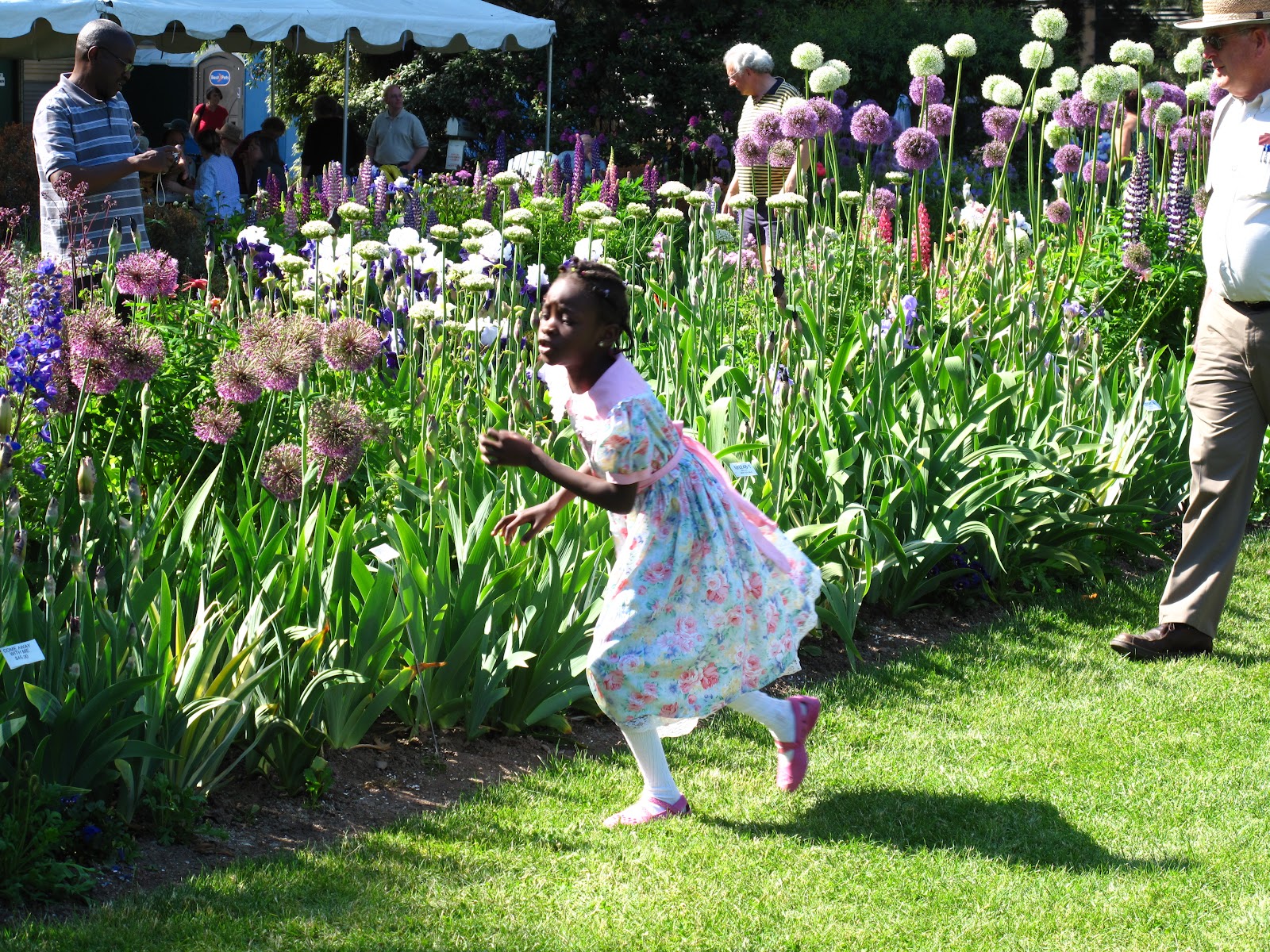
Having spent hours looking at irises - even attending an iris society competition, this picture of a little girl running through the Schreiner's display garden was my favorite. It does not even have stunning irises in the frame, but still... the joy of running in a garden wearing a favorite flowered dress and pink shoes shows how liberating a lovely garden can be. Many fine specimens in the show garden and acres of field grown irises to select from:


At Cooley's, the hunt was on:


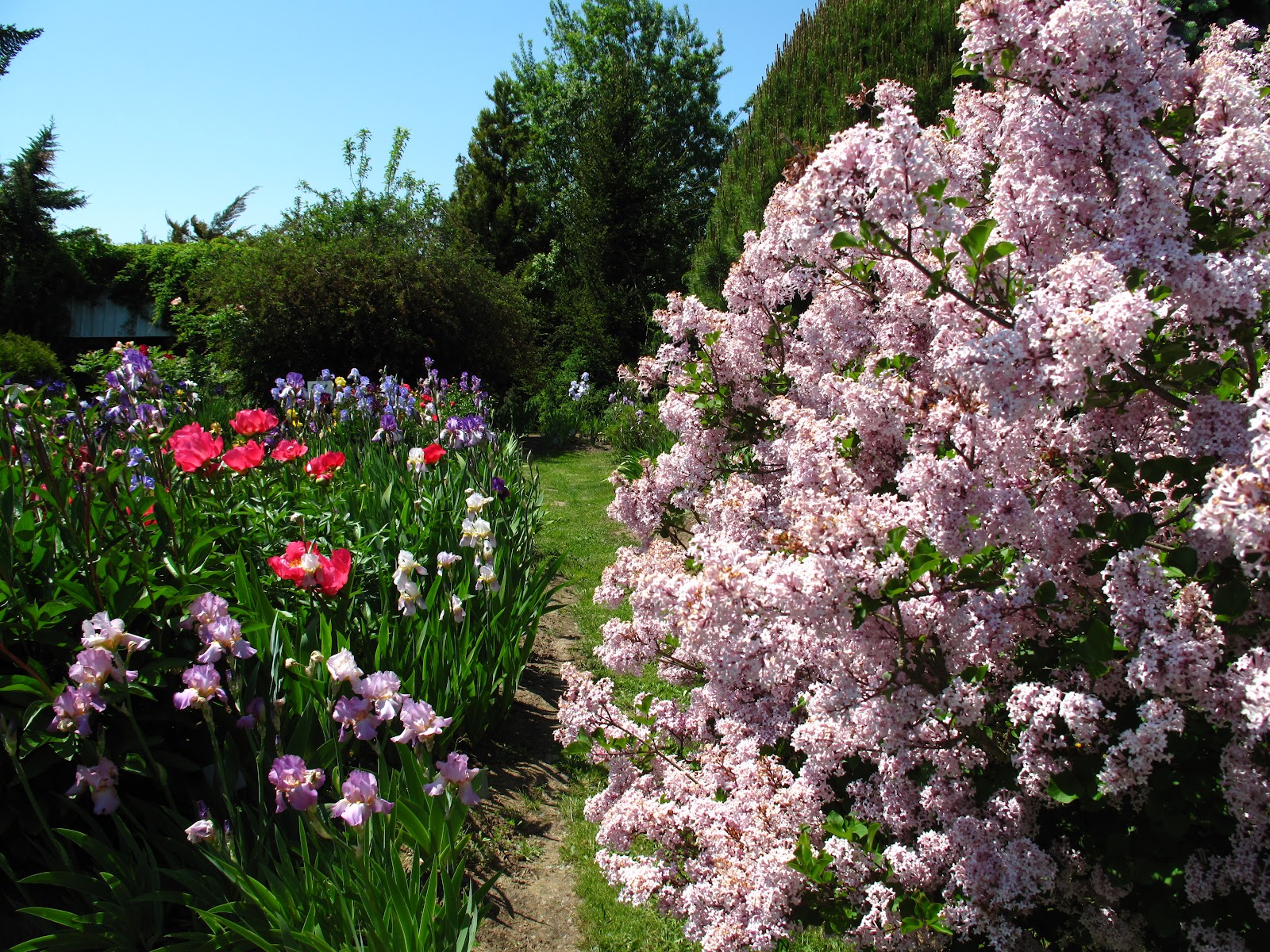
...and another small out of the way garden with irises and tree peonies:


This being the tree peony of unusual size (Hephestos), like the rodents in "The Princess Bride". A much younger version of this one came back to Napa with us:


Monday, May 25, 2009

Exbury


Stopping at Greer Gardens in Eugene, OR - we looked at rhododendrons, azaleas and shade loving plants. The nursery is now hemmed in by urban development, and the 13 acres or so of mature specimen plants and nursery grounds are likely to become a condominium development in the future. Right now, though, the operation persists. We discovered this rose/orange splashed Exbury hybrid azalea in the far reach of the grounds, then found one smaller one gallon sized plant to bring back to Napa and try in the garden. Colors are deeper than the native azaleas in the Azalea Preserve near Arcata - and this is a deciduous azalea - but still... we shall see how it adapts to the Napa climate.


Paeonia


The backroads of the fertile Willamette valley are home to a mind-boggling array of horticultural nurseries. Plants include rare peonies, irises hostas, ferns, rhododendrons, azaleas, evergreens and - grass seed. Lots of grass seed. But the sight of several acres of peonies in bloom is definitely something to behold.


____________________________________


____________________________________


I'm sitting back home in Napa after an ALL day drive back from Oregon, sipping some homemade Meyer Limoncello (recipe to follow some day) and posting these pictures. John of course did all the driving - probably due to my still slightly creaky left hip. Sun-baked describes the feeling. The weather was glorious over the Memorial Day weekend - and the nurseries were prepared for a seasonal onslaught. The flowering season for peonies and irises is NOW. These are not hoticultural plants that give months of flowers. We saw some mature tree peonies of unusual size, much like the rodents in "The Princess Bride".

Tomorrow - irises and enormous tree peonies...
Enhanced by Zemanta

Friday, May 22, 2009

Roadies and Rhodies


On our current road trip to Oregon to seek out irises and peonies, we stopped near McKinleyville at the Azalea State Natural Reserve. I had never seen these soft pink native azaleas (Rhododendron occidentale) before.

The reserve seems a neglected little corner of the California State Park system, and I expect that the spot is rather forlorn most of the year. But this week, the azaleas are in bloom, and in a few locations can be seen in proximity to similarly sized native ceanothus, also in bloom. Late May is the time to see these plants.